The importance of commissioning Heat Networks
Why is commissioning still treated as an optional cost?
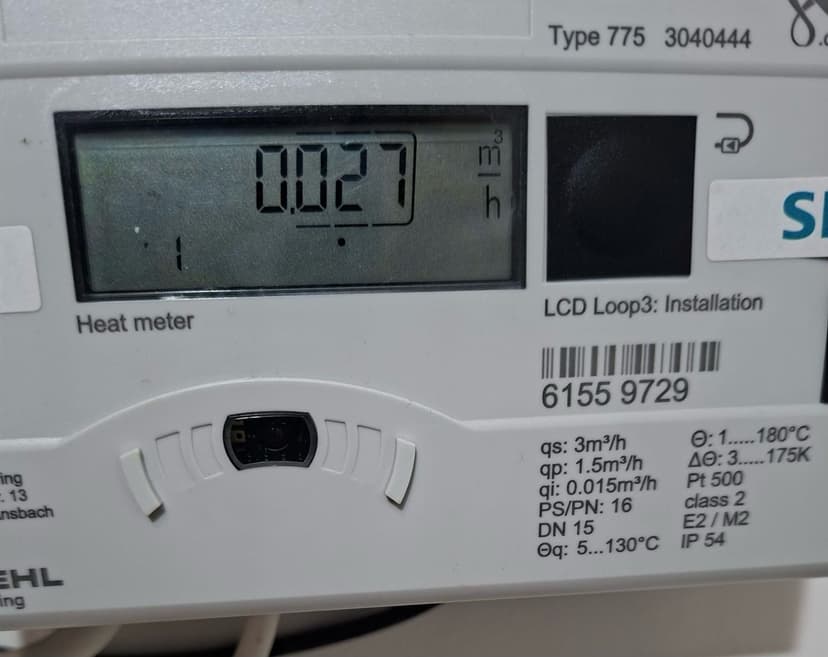
We see it all too often on heat networks.
A system is carefully designed around specific flow rates, temperatures and diversity calculations based upon anticipated demand under peak load.
The plant is sized accordingly and HIUs are specified to deliver the required heating and hot water performance.
Then the HIUs are then installed under the misguided assumption that they are simply “plug and play.”
They’re not.
If an HIU is designed to operate at a particular primary flow rate, differential pressure and temperature regime, those parameters need to be set, tested and verified during commissioning.
Otherwise, what was the point of designing the network around them in the first place?
Incorrectly commissioned HIUs can result in excessive primary flow rates, poor return temperatures, unstable DHW performance and unnecessary demand on pumps and plant.
Multiply that across 50, 100, 300 or 500 apartments and what looks like a relatively small saving during construction can become a significant operational problem.
And ultimately, it can affect the person the entire system was designed for in the first place…the resident.
Designers account for diversity and resident comfort when specifying the HIUs and plant.
To then install that equipment without properly calibrating and commissioning it is, in my view, a cardinal sin.
Commissioning isn’t an additional cost bolted onto the end of a project.
It’s the process that proves the system you paid to design and install actually operates as it was designed to.
Skip it, and the heat network starts its operational life already fighting a losing battle.